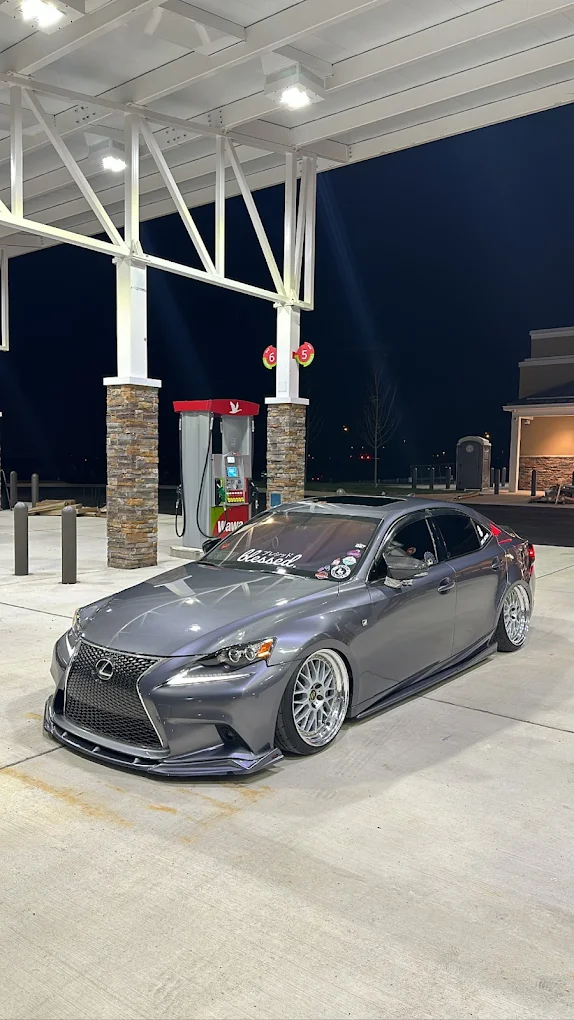
Paint Protection Film
Is Paint Protection Film Worth It for a Daily Driver?
Highway commuters see the most road debris of any vehicle on the Eastern Shore. Here is how to think about coverage and cost.
Where daily drivers take damage first
The bumper, hood leading edge, fenders, and mirrors take the brunt of highway debris. On Eastern Shore roads and the Bay Bridge corridor, we routinely see sandblasted front ends on vehicles under two years old. Once chips reach the base coat, touch-up paint or a respray is the only fix, both cost more than prevention.
Partial-front vs. full-front coverage
Partial-front kits cover roughly the first 18–24 inches of the hood and fenders and are the budget entry point, but they leave a visible film line and exposed paint behind it. Full-front coverage wraps the entire bumper, hood, fenders, mirrors, and headlights with no line, it's the package we recommend for anything driven daily.
Resale and appearance considerations
Documented PPF preserves factory paint, and factory paint is what appraisers and buyers pay for. A vehicle with an untouched original front end consistently presents better at trade-in than one with blended touch-up work. Film also keeps the car looking newer every day you own it, which is value you enjoy before you ever sell.
When film may not be the right spend
If the vehicle is a short-term lease on low annual mileage, or an older car whose paint already carries significant chipping, film may not pencil out. We'll tell you that honestly, an inspection takes a few minutes and we'll recommend the coverage level that actually makes sense, including none at all if that's the right answer.